What Fire Brand do you want in your home?

Followers

Recent Updates

Celsi Fires Now in the UK

Celsi fires have now been released in the UK, with great reviews all over, the new technology is virtually a computer pretening to be a fire, with clean looks and great prices they are bound to be a hit.More…


Showing posts with label technical. Show all posts

Friday, 30 December 2011

What you should know before buying an electric fire


There are a number of things that you should be aware of before buying an electric fire, they are often described ‘easy to fit’ and ‘suitable for every home’ but are they? You need to make sure the electric fire you choose is suitable for its situ too. This blog could be useful to anyone thinking of buying an electric fire and help those in the trade selling fires to ensure the fires sold are actually fit for purpose.

Buying an Electric Fire
The act of actually buying an electric fire is extremely easy, you can pick them up in DIY stores, from showrooms and online, which is great, but please be aware that images seen in catalogues, brochures and online do not properly display the finish of the fire and the flame effect of a fire, ask to see the fire in operation at a fireplace showroom or DIY store to make sure the flame effect and pattern is what you are expecting. The finish can differ dramatically from manufacturer to manufacturer so have a look at your fire to see if their shade of brass, or brushed brass is what you were thinking of to avoid disappointment. If you do buy the product online and don’t have chance to view the electric fire before hand you have a cooling off period, and during which time you may return the fire for whatever reason, and yes that means even if you don’t like the coal effect etc. (This will usually be at your expense though so it is better to know what you’re buying before it is sent to you).

Copyright or Copy Wrong?
Manufacturers of fires will have copyright on their products and images of products, names of products etc. Despite this there is a whole lot of ‘simulation’ and ‘imitation’ of products between the manufacturers, and to be honest if I saw a competitors fire selling by the thousands I’d look to imitate the products to some extent too. It is important to be aware that this goes on within the industry, it is very hard to prove that brand A has copied brand B so you could get a bargain. However you could get an inferior electric fire that looks like the more expensive one etc. Manufacturers will sometimes sell two products that are identical under different names, and with great difference in the price tag, as well as manufacturer’s warranty. You could save a bundle on an electric fire but have 2 or 3 years less warranty, the choice is yours. Do not buy from auction websites unless it is a shop (you wouldn’t buy a fire from a car boot sale would you?).
Another tip when shopping for an electric fire is the flame effect is often the same throughout a manufacturers range of fires, so if manufacturer A has several different fires i.e. manual control, remote controlled, brass finish, chrome finish, modern design or classic design, they may all have the same flame pattern or effect, (Many electric fires have the same electric fire, or ‘engine’, presented in different fascias or guises). This could mean if you’ve seen one LED flame effect you’ve seen them all, but again, different manufacturers will have subtle differences (however slight!).

Will the Electric Fire Fit?
This is where many people find disappointment, they receive their new electric fire.......and it doesn’t fit, they you have to send or take it back, and you wanted the job finished by a certain date!.....AAARGH! Should it be this confusing? Well it’s quite straight forward once you understand that there is 3 main types of electric fire; Hearth based (3 sided), Hang on the Wall (outset, wall mounted) and Hole in the Wall (inset fires). Once you know which one is for you the dimensions needed to install are straight forward, and I’ll take you though these one at a time:

Hearth based inset electric fires means the electric fires that fit into a back panel as part of a fireplace setting. The cut out in a back panel is as industry standard around 16inches wide and 22inches tall. Most electric fires fit into these gaps with no problem; however confusion often arises with the depth of the electric fire and something called the ‘rebate’. The inset depth of an electric fire is the depth from what you see in the room back to the end of the fire in the fireplace or wall, (The outset depth is the depth of the fire from the back panel into the room). The ‘rebate’ is the measurement from the front of the back panel to the wall, this is usually 25mm or 75mm, some may be adjustable too! Now, if the inset depth of the electric fire is greater than the depth of the rebate you will need a recess into the wall to fit the fire into. This depth will need to be at least as big as the overlap from the inset depth and back panel. A way around this (especially if you only have a flat wall, with no recess) is to use a spacer kit, these come in several depths and allow the electric fire to be outset into the room more, but many people don’t find this aesthetically pleasing.

Hang on the Wall fires are mounted onto the wall, measurements are outset into the room and the fires will either fix directly to the wall, or onto a pre fixed bracket on the wall.
Hole in the Wall inset fires need a recess for them to fit into, this can be into a chimney of a ‘false’ chimney breast, be aware that many measurements will show a fires inset dimensions, but a few inset electric fires will need clearance from these measurements. Make sure no clearance is needed to avoid disappointment.

Where Can I Get Additional Information?
Every manufacturer has a website and if they don’t then avoid like the plague! Many manufacturers sites will have the installation manuals and user guides for you to refer to before a purchase, if they don’t there will be some way of contacting them to retrieve any information required, if they do not have either a contact phone number or email address the avoid like the plague! Showroom sales people should have general ideas of what measurements are required, but it is always best to go to the manufacturer yourself to assure you have the correct information, they will tell you the facts not what suits them on the day, you can ask for the information to be sent via email or post thus giving you a future reference should you require it. Be wary of review sites, many companies have 100% reviews and have sold a couple of items whilst others have okay reviews but have sold hundreds of thousands of products, question how many happy people bother to leave reviews and how many competitor companies review others? Being someone who uses the internet frequently I find review sites most frustrating, but that’s a different topic entirely.

What Did You Expect?
Electric fires nowadays are 100% efficient and come in a plethora of designs, have more options and finishes than you can think, which is great, but they usually have a maximum heat output of 2kW. This level of heat is not tremendous; it will certainly take the edge off (if you get close enough) but should not be relied upon as a sole source of heat in a home. Hairdryers can often be found to emit similar amounts of heat, so don’t expect a furnace!
Many electric fires simply plug in, which again is great, but what do you do with the lead? Some manufacturers will view the warranty as void if their moulded plug is cut off, which could cause a problem when fitting. Any competent electrician would be able to come up with suitable solutions to avoid this, but people buy these from DIY stores expecting to be able to ‘do it yourself’ and find disappointment when employing an electrician for the job.
By no means do I dislike electric fires, in fact quite the opposite, but it is important to be aware of what small pitfalls may be ahead of you when buying and electric fire, indeed any fire or heating for your home.

Saturday, 10 December 2011

Drugasar Explain The Balanced Flue System

The balanced flue system is the technology behind most DRU gas fires and gas wall heaters. DRU engineers from the Netherlands invented the system in the 1930s. It has since become the industry standard for high efficiency and performance. Many companies have copied the original system, but none have been able to match the superior standards that are the hallmark of DRU products.
So what is the balanced flue system and how does it benefit your home or workplace?
Comfortable and efficient
Most conventional gas fires have an open-fronted fireplace that is inset into a standard sized chimney. The air that the fire uses to create its flames is drawn from inside your living room and waste products are expelled up the chimney. (See drawing 1)
So while this kind of fire may be pleasing to the eye, it may not be so kind to your breathing or your bank balance! It requires constant ventilation to keep it burning (ever heard the saying ‘It’s stuffy in here’?). And because of this it consumes more energy and fuel than you can reasonably afford.
In contrast, a balanced flue gas fire is room-sealed using a glass front. It has a sophisticated flue that uses natural convection to draw the air from outside the building for combustion and expels it back to the outside through a separate compartment of the flue. (See drawing 2)
So there is no loss of comfort and minimal fuel consumption. And because the fire is not open at the front it is much safer to use.
No chimney – no problem
DRU balanced flue fires and wall heaters can be installed with or without a conventional chimney.
If there is no chimney in your home, the flue can be fitted through an outside wall or through the roof. It is possible for the flue to be 4 metres long horizontally or 10 metres high vertically. So you have a great deal of flexibility when deciding where to locate your fire.
If, on the other hand, you would like to have all the advantages of balanced flue technology, combined with the aesthetic appeal of a traditional chimney, this can be done! All you will need is a special flue liner installed in your chimney, using the chimney shaft to replicate the balanced flue effect.
A further advantage of this is that your fire can be installed in the classic way, using a fire surround to look like a traditional fireplace. Alternatively it can be mounted further up the chimneybreast as a ‘hole-in-the-wall’ or ‘hanging’ fire.
Either way, you will enjoy the combination of a beautiful fire that uses modern, efficient technology to bring you endless comfort and pleasure.

For the full range of Drugasar Fires, ideal for almost any home,with or without a chimney visit http://www.fireplacesupermarket.com/drugasar

Friday, 9 September 2011

Warranties versus Cost……..FIGHT!


Many of the larger fire manufacturers will offer great, high quality fires that come with the all singing and dancing packaging and finishes. They also come with better manufacturers warranties too; a few examples of these are the Apex 5year warranty on selected gas fires, Crystal fires 5 year gas fire warranty,Pureglow 3 year warranty and the more recent Firebelly 4 year warranty on allproducts.
This is a great way to entice customers to buy these products as many of themare advertised as having their warranties included as free, so you should optfor them as they are giving you added protection for less cost. Well after alittle investigation, and to be honest it doesn’t take a lot, it becomes prevalent that many manufacturers make a product and allow it to be re-branded, these re-brands will often retail for a lesser price than the branded products but don’t come with the greater warranty.
I therefore wonder whether the extra cost of a branded product is actually fora better product or just for the warranty. The answer to me is obvious, but what you will need to ask yourself is “is the warranty worth the extra money?” .
Firstly you need to be aware of what the warranty actually covers, and decide on whether it is actually worth having a warranty on a product you expect tolast for at least 5-10 years. Another consideration is what conditions you will have to fulfill in order for the warranty to be valid, most fire manufacturers will not honor a warranty on a fire if it has not been serviced each year by aqualified engineer and that you can provide proof that such a service has takenplace.
With such consideration in mind in my humble opinion is it worth spending the extra money for a branded fire?…….Yes. I would recommend that you have all your gas products in your home whether it be a combination boiler, gas fire or stove,serviced every 12months without fail, and obviously retain proof of the service. Also, if a cheaper fire breaks down that has run out of warranty, it will probably end up costing you more to but another cheap fire then it would have cost to buy the branded version with a much longer warranty. The main reason though I would always go for the branded option with extended manufacturer’s warranty is for peace of mind, the last thing you or anyone needs is an unrepairable gas fire or stove in the living room in the middle of winter.

Wednesday, 10 August 2011

Gas Safe or CORGI?

It seems that many people are still not quite sure as to whether they needs a CORGI registered engineer to install their gas products in their home. So just to clarify the matter for those who are unsure as from the 1st of April 2009 Gas Safe Register Replaced CORGI, so you should not let anyone who claims to be CORGI registered work on your gas items in your home, and you shouldn't let anyone other then a Gas Safe Registered engineer carry out gas related work or surveying.
If you wish to find out whether a business or individual is Gas Safe registered and what work they are qualified to do then you can visit www.gassaferegister.co.uk or you can call 0800 405 55 00.
Gas Safe Register installers or engineers will also carry with them their gas safe register engineer photo ID card. The Card has a picture of the engineer on the front with a unique license number, that you can quote over the phone or input on the website to ensure the engineer is the person they claim to be.
The front of the card will also have a start and expiry date and a security hologram. Please be aware that the back of the card also contains important information as it shows the type of work the engineer is qualified to do, these include gas fire, cooker, boiler installation etc. This is also a way to check that the engineers qualifications are up to date too.
Unsafe gas work may cause carbon monoxide poisoning, gas leaks, fires and explosions, so it is of the utmost importance that a registered Gas Safe installer is involved with any gas work carried out in you home.
Gas Safe Register has also provided 5 top tips to help keep you and your family safe and these are as follows:
  1. Always use a Gas Safe registered engineer for any gas work in your home – and check their ID card.
  2. Make sure your gas appliances are safety checked and serviced in accordance with the manufacturer’s guidelines, or at least once a year.
  3. If you live in rented accommodation, your landlord must arrange for a Gas Safe registered engineer to carry out a safety check every year on all gas appliances. You should be given a copy of the safety certificate before you move in or within 28 days of the safety check. If you don’t have this certificate, ask your landlord.
  4. Install an audible carbon monoxide alarm, which will alert you if dangerous levels are present in your home.
  5. If you smell gas or think there might be a gas leak: turn off the gas at the meter, extinguish naked flames, open windows and leave the area. Seek medical advice if you feel unwell. Call the Gas Emergency Freephone number 0800 111 999.

Wednesday, 6 July 2011

Record Rise In Domestic Solar Panel Installations

According to the energy regulator Ofgem, record numbers of home owners are having solar panels fitted to their properties.
Recently released figures for August 2010 indictate that panels have been fitted to 2256 homes, well up from 1700 in July and 1400 June. Installations since April last yeat have riseon to a record 6688 homes. The Feed In Tariggs (FITs) system became available on the 1st April last year enabling energy suppliers to make payments to householders and communities who generate their own electricity from renewable or low carbon sources such as Solar electricity or wind turbines.

The system quarantees a minimum payment for all the electricity generated by the system, as well as a separate payment for the electricity exported to the national grid. These payments are in additional to the bill savings made by using the electricity generated on site.
Once installed homeowners should experience a monthly reduction in their electricity bill and then recieve an income from the Feed-In-Tariff provider. However, if you have taken out a loan to pay for the installation you will obviously have to take the montly repayments into consideration.

Feed-In-Tariffs are designed sp that the average monthly income from you will be significantly greater than that of your monthly loan repayments (based on a 25 year loan)
Homeowners recieve 41.3pence per unit of electricity generated, regardless of whether this unit is used on site or sold back to the National Grid. After the panels are installed, the tariff is paid for 25 years and increased in line with the rate of inflation.

This replaces the previous system, under which people could obtain grants to help cover the cost of installing the green technology. According to the energy savin trust solar panels usually cost between £6,000 and £12,000 to buy and install, depending on size. The panels most commonly installed by homeowners consisting of eight panels able to generate up to 2.5kW, cost between £10,000 and £12,000.
The trust calculates such panels could generate up to £700 a year from the feed-in tariff, as well as saving homeowners about £100 a year on energy bills.
In addition an extra £25-£30 could be made by selling unused energy back to the National Grid.
As an alternative to direct purchase by the homeowner, a number of companies are now funding the total cost of the installation in return for a lease over the homeowner's roof. This lease typically lasts 25 years, during which time the homeowner uses any electricity generated for free but foregoes the income from the FIT which goes to the company who financed the installation.

For futher information visit http://www.energysavingtrust.org.uk

Sunday, 26 June 2011

Heating a house with a wood burning boiler stove is an increasingly popular option in the UK

With Scottish Power putting their prices up and with the other big suppliers certain to follow. More and more people are turn ing back the clock, more and more people are returning to burning wood. Firewood is a secure and relatively cheap form of fuel and a wood burning stove provides a cosy focal point to any room. A back boiler wood burner stove gives your family plenty of hot water, as well as running a complete central heating system and by heating your home by burning wood as fuel, you are reducing your CO2 emissions.

A wood boiler stove is an appliance that can burn wood to create hot water. Some take the form of what you would recognise as a traditional wood burner whilst others look and work much more like a gas boiler.

There are various types and permutations of boiler for wood stoves available but they all do the same job - they transfer heat from the burning wood into water, which can then be piped where it is needed and used for heating or domestic hot water. In a traditional wood boiler stove the boiler is usually a simple metal box filled with water and with 2 or 4 tappings to allow you to attach your water pipes to it. These tappings are usually 1" BSP fittings. Usually these boilers replace the fire-bricks inside the firebox of the stove and are known as back boilers because the bulk of the boiler is at the back of the firebox.

Wood boiler stove heat output to water

Wood boiler stoves can come with a variety of rated boiler outputs from around 5,000 BTU to 90,000 BTU. Make sure to check whether the rated output is the maximum or nominal. The nominal output is the output at which the stove would normally be run and is of course lower than the maximum output. You would not drive a car at it's full speed all the time and a wood boiler stove is just the same. Also when sizing the boiler stove for your needs remember that you need to use the nominal heat output.

Central heating and hot water from a wood boiler stove

A boiler stove can be used to power your central heating system and to provide hot water as well. Designing such a heating and hot water system is relatively simple but you will need the help and advice of an experienced heating engineer.

Wood fired central heating

Here the wood boiler stove is connected to the house heating system, commonly radiators, and the heat from the burning wood is pumped around the house. If your house uses underfloor heating then you would connect your boiler stove to a hot water tank and then the underfloor heating would be connected to that.

Heating hot water with a wood burning boiler stove

One of the differences between a boiler stove and a conventional gas/oil boiler is that it takes time for the hot water coming from the stove boiler to get up to temperature. This means that you cannot simply take hot water directly from the stove boiler: you need to connect the boiler stove to a hot water tank. The water in the tank is heated by the stove and stored up for use when needed.

Unvented system

In an unvented system there is no header tank and the water in the pipes is under pressure. Modern heating systems run by gas boilers tend to be unvented (or pressurised). One give-away is that there is often a pressure gauge on the boiler measured in 'Bar'. When the water in a pressurised system expands the pressure in the system increases. Most stoves are not suitable to be directly linked up to a pressurised system because with a stove it is possible to boil the water in the boiler. However a vast majority of stoves supplied by authorised dealers can be linked directly to pressurised systems with the incorporation of an expansion vessel - which expands to cope with pressure increases, a pressure release valve, and a heat dump system with additional safety features.

Sunday, 29 May 2011

False Corgi registration rumbled


An unregistered gas fitter misled customers into believing he was a legally-registered gas engineer and then carried out work that put lives at risk.

Clive Farrant, 57, from Chelmsford, used a false Corgi registration number in adverts and paperwork when trading as Essex Plumbing Connection. He also committed offences as a director of Secret Heat Ltd. Both companies were registered to his home address.

The Health & Safety Executive (HSE) found Farrant had carried out gas work at several properties and left them all in a dangerous condition.

He worked at a number of homes in and around Chelmsford, Essex, between July 2006 and June 2009. During the same period, he also instructed another unregistered engineer to carry out work at properties in Tadley, Hampshire and Chelmsford.

It is a legal requirement for any gas engineering business or self-employed gas engineer carrying out domestic or commercial gas work to be registered under the Gas Safety (Installation & Use) Regulations 1998.

Farrant admitted 10 out of 11 charges relating to the Health and Safety at Work Act 1974 and Gas Safety Regulations 1998 when he appeared at Chelmsford Crown Court. He was fined £23,000 with £5,000 costs.

After the sentencing, HSE inspector Samantha Thomson said: "There is no excuse for illegally carrying out work on gas appliances – and to falsify documentation in order to defraud customers is not only a terrible thing to do but also a very serious offence.

"It is illegal for any unregistered person to carry out such work. When unqualified workers try to bypass the law in this way they are not only putting themselves at risk of prosecution, a large fine and a lengthy time in prison – they are also putting their customers' lives at risk."

Saturday, 21 May 2011

Go Green And Save Money

Our homes generate a quarter of the UK's CO2 emissions, yet a third of the energy we use is wasted. It's time to act, but what is truly practical and affordable for us to do? And can we save some money while we're at it? Channel 4 Homes Helps Us Take A Look Into How We can cut carbon emissions and save money.

The Loft

Up to a quarter of a home's heat can escape through the roof if it's badly insulated. According to the Building Research Establishment, if you were to put down 270mm of insulation in an empty loft, you'd save £145 a year. The greenest option would be to insulate it with natural, environmentally friendly products. These include Warmcel 100, made from recycled paper; Isonat Plus, made from UK-grown hemp and recycled cotton; and Thermafleece, which comes from UK sheep. You can buy all of them from EnergyWays at www.naturalinsulations.co.uk.

There are reductions to be made on insulation measures for home owners and landlords, as part of the government's Carbon Emissions Reduction Target (CERT). Contact your local Energy Saving Trust Advice Centre to see what's on offer. For more advice on insulation, see Fitting Insulation

Cost: £250 (installed); £50-£350 (DIY)
Return: Two to three years

The Walls

Like roofs, walls can also leak up to a third of the heat produced in your home. The government is very keen on cavity wall insulation at the moment, so grab a grant while you can. It takes less than a day to install, there's minimal disruption, and it could save you £110 a year on fuel bills, according to the Energy Saving Trust. Ideally, opt for eco-friendly Warmcel.

If your home was built before or around the 1920s, it probably has solid walls, and around 45% of heat is lost through them. Insulation is expensive and usually worth considering only when you're refurbishing, though it could save you £375 a year on fuel bills. Internal insulation consists of rigid insulation boards or a stud wall, and costs £5,500 to £8,500. External insulation consists of a layer

of insulating material attached to walls then finished with cladding or render, cost £10,500 to £14,500. Find a registered installer at The Insulated Render & Cladding Association (INCA).

Cost: (cavity walls) around £250 including CERT subsidy (see above); otherwise around £500
Return: Two years


Draught Proofing

Around 20% of all heat loss in a typical home is through ventilation and draughts. Obviously, some ventilation is essential, especially if you have solid-fuel or gas fires, but don't forget that wherever you can feel a draught coming in, warm air is going out.

Save around £25

by draught proofing doors and windows, and around £20 extra if you fill gaps between the floorboards and skirtings as well.

Cost: £100 if you do it yourself
Return: Four years (or one year if you do the floorboards and skirting, too)

Buying New Equipment

Appliances

Don't forget to look out for the official energy rating when you're buying a new appliance. 'A', 'A+' and 'A++' rated is good, but don't bother if it's less than 'B' or 'C'. It's difficult to cost out the saving, but as an example, an 'A' rated freezer or washing machine will only use a third of the energy of one with a lower rating. Sneak Preview: I'm told The new House 2 Home Megastore has some very efficient appliances that will be available for purchase when the site launches completely, which, i'm told is getting nearer everyday.

Saves: from £7 (for integrated digital TV) to £38 (for a fridge freezer)
Cost: Depends what you buy
Return: Four years

The Boiler

If you're thinking of installing a new one, go for it as soon as possible! Around 60% of all domestic CO2 emissions come from old boilers. New rules say boilers should have an 'A' efficiency rating, which basically means having a condensing boiler.

Save up to £235 by replacing an old G-rated boiler with a new A-rated one and installing a full set of heating controls.

Cost: From £650 (plus £600 to £800 for installation)
Return: Four years

Lightbulbs

Is your ceiling filled with those pretty little halogen bulbs? Each one uses 50w, while energy-efficient bulbs use up to four times less electricity to generate the same amount of light. Each one will save around £9 on your annual bill.

Cost: from 50p
Return: Within a year

Double Glazing

This will reduce heat loss by half and knock £130 a year off the average bill. Look for the energy-saving recommended logo, and if money's not a factor, choose Argon-filled triple-glazed timber-framed windows made with low-emissivity glass (look for the 'A' to 'G' energy rating and Forest Stewardship Council certification for the frame). 'If you are on a budget, secondary glazing that fits inside the existing frame is much more cost-effective and can reduce heat loss,' says Sally Oakes from the Centre for Alternative Technology.

Cost: £400 per unit
Return: 20 years+

Thursday, 28 April 2011

Natural Gas - The Facts

The main ingredient in natural gas is methane, a gas composed of one carbon atom and four hydrogen atoms. Millions of years ago, the remains of plants and animals decayed and built up in thick layers. Over time, the sand and silt changed to rock, covered the organic material, and trapped it beneath the rock. Pressure and heat changed some of this organic material into coal, some into oil, and some into natural gas — tiny bubbles of odorless gas.In some places, gas escapes from small gaps in the rocks into the air; then, if there is enough activation energy from lightning or a fire, it burns. When people first saw the flames, they experimented with them and learned they could use them for heat and light.

How Do We Get Natural Gas?

The search for natural gas begins with geologists, who study the structure and processes of the Earth. They locate the types of rock that are likely to contain gas and oil deposits.

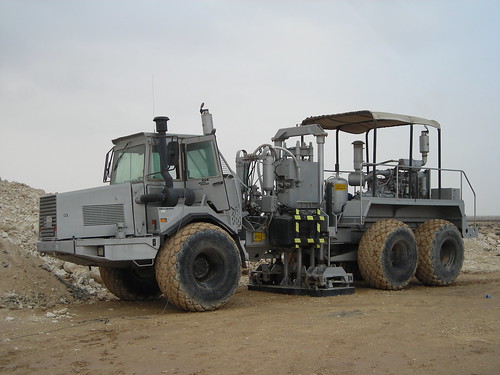
Today, geologists' tools include seismic surveys that are used to find the right places to drill wells. Seismic surveys use echoes from a vibration source at the Earth’s surface (usually a vibrating pad under a truck built for this purpose) to collect information about the rocks beneath. Sometimes it is necessary to use small amounts of dynamite to provide the vibration that is needed.

Scientists and engineers explore a chosen area by studying rock samples from the earth and taking measurements. If the site seems promising, drilling begins. Some of these areas are on land but many are offshore, deep in the ocean. Once the gas is found, it flows up through the well to the surface of the ground and into large pipelines.

Some of the gases that are produced along with methane, such as butane and propane (also known as "by-products"), are separated and cleaned at a gas processing plant. The by-products, once removed, are used in a number of ways. For example, propane when stored in a liquid from is an alternative for people who do not have a natural gas supply and is normally stored in a large tank outside your home, this is know as LPG or Liquified Propane Gas.

We can also use machines called "digesters" that turn today's organic material (plants, animal wastes, etc.) into natural gas. This process replaces waiting for millions of years for the gas to form naturally.

How Does The Gas Get To Me?
Natural gas is moved by pipelines from the producing fields to consumers. Because natural gas demand is greater in the winter, it is stored along the way, you may have seen the large storage tanks near you, large round tanks that rise and fall depending on the amount of gas inside. The gas remains there until it is added back into the pipeline when people begin to use more gas, such as in the winter to heat homes.

How Is Natural Gas Used?

How Natural Gas Is Used

Natural gas is used to produce steel, glass, paper, clothing, brick, electricity and as an essential raw material for many common products. Some products that use natural gas as a raw material are: paints, fertilizer, plastics, antifreeze, dyes, photographic film, medicines, and explosives.

A majority of homes in the UK use natural gas as their main heating fuel, if they are connected to the national grid. Natural gas is also used in homes to fuel stoves, water heaters, clothes dryers, and other household appliances.

Friday, 22 April 2011

You Won't Know Carbon Monoxide Is There.

Keeping you and your family safe should be a major concern when having any gas appliance fitted, replaced or repaired. That's why we want to make sure you know about Carbon Monoxide (CO) and the steps you can take to keep everyone safe from harm.

Four Sigs That Could Show CO is Present:
  • Staining, sooting and discolouration on or around your gas boiler, fire or water heater.
  • Excessive Condensation or seeing/smelling smoke in the room the appliance is installed in.
  • Colour of pilot lights and other gas flames - these should burn mostly blue but if they are yellow or orange, Carbon Monoxide may be present (Note: This doesn't apply to fuel-effect, living-flame or decorative flame gas fires which are meant to have an orange or yellow flame.
  • A pilot light that frequently goes out could be another indicator that CO is being produced.
REMEBER: It's important to keep vents in doors, walls and windows clear and to check regularly that your chimney (if you have one) isn't blocked by birds nests or other debris.

What You Should Do If You Think Carbon Monoxide Is Present.
  • Stop Using The Appliance Immediately
  • Open All Doors and windows and leave the room
  • Call the Gas Emergency Services on 0800 111 999
How Do You Recognise The Effects Of Carbon Monoxide?
The symptoms of Carbon Monoxide poisoning can be similar to flu and can include headaches, dizziness, confusion and extreme tiredness. If anyone in your home, friends, family or visitors show any symptoms please see a doctor immediately. It may not be CO poisoning, but it can't hurt to check.

How Do You Stay Safe From Carbon Monoxide
One sure way is for your gas appliance to receive an annual service by a Gas Safe Registered Engineer.
Always Make Sure Your Appliances Are Professionally Installed.
If you are having appliances such as a fire or stove installed please make sure the work is carried out by a qualified engineer. Always ask for a Gas Safe engineer to install and service your appliances.

Ask Your Landlord
If you rent your home, it is your landlord's job to make sure any gas appliances and pipework are safe. Check with them today to make sure a Gas Safe Engineer repairs and faulty appliances, performs safety checks annually (my landlord is carrying one out on my house right now) and issues you with a certificate to verify the work has been carried out.

Tuesday, 5 April 2011

Exempt And Authorised But Not Approved

In the last couple of months, we've heard and written about lots of DEFRA approved stoves for use in smoke control areas and also received a number of emails asking for guidance of what can and can't be done when burning logs.

Unfortunately we're not complete experts in the subject (but we're learning) but having spoken to a number of experts in the field we have quickly learned that we should get our terminology correct.

There's no such thing as smoke control 'approval'. Assuming an appliance satisfies DEFRA's test requirements, it becomes 'exempt'. On a similar basis, a fuel meeting DEFRA requirements becomes 'authorised'.

Assuming it is not against the guidance of the manufacturer, you can burn any 'authorised' fuels in any stove or fireplace in a smoke control area. BUT, and it's a big but, the list of DEFRA 'authorised' fuels does not include wood logs, so if you want to burn wood logs in a smoke control area, you must use a DEFRA 'exempt' appliance.

We strongly recommend you look at www.uksmokecontrolareas.co.uk which provides detailed and in-depth detail of the legislative background to the UK smoke control areas, the general locations of the smoke control areas and list of both exempt appliances and authorised fuels.

Finally, because each governing body has differing mechanisms and timetables relating to legal status and exemption, the lists of exempt appliances and authorised fuels will be different in England, Wales, Scotland and Northern Ireland

Tuesday, 11 January 2011

How To Burn Wood Efficiently

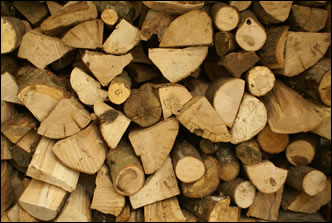
Understanding the way in which wood is burnt will allow you to burn wood in a more environmentally friendly way, reduce the costly maintenance required for your chimney and get more heat out of the wood. There are 3 stages in the wood-burning process:

Evaporation - When you light a stove a lot
of energy will be needed at first to boil away any moisture trapped inside the wood. This takes a lot of energy to drive the water out of the wood and convert it into steam, producing an inefficient fire that is not burning cleanly. Also, much of the energy wasted in evaporating water is energy that could have heated the stove and started heating the room. This is a waste of all three elements; wood, money and effort. This water trapped in the wood has a nasty habit of putting out the fire, the best way to avoid this is to use seasoned wood, Properly stored and seasoned wood will help to minimise these problems.

So what is seasoning?
Essentially it is m
aking wood fit for burning – by reducing its water content – usually by leaving it for a period of time in the right conditions. All wood contains water. Freshly-cut "green" wood can be up to 45% water, while well-seasoned firewood generally has a 20–25% moisture content. Well seasoned firewood is easier to light, produces more heat, and burns cleaner.
Emissions - As the heat of the fire intensifies, waste-gases (smoke) are released from the wood. Unburned smoke is emitted into the air either as pollution, or condensed in the chimney causing creosote build-up. It takes time for the air in your chimney to heat up. When it is still cold you get an effect similar to the condensation of hot breath on a colder window or mirror. So when the by-products of combustion (smoke in the form of gases) exit the stove, and flow up into the relatively cooler chimney, condensation occurs.


The resulting residue that sticks to the inner walls of the chimney is called creosote. Creosote is formed by unburned, flammable particulates present in the smoke. It is black or brown in appearance. It can be crusty and flaky, tar-like, drippy and sticky or shiny and hardened. Quite often, all forms will occur in one chimney system.

If the wood you are using is water logged, or green, the fire will tend to smoulder and not warm the chimney sufficiently. Wet wood causes the whole system to be cool, and inefficient. In contrast: dry wood means a hot fire, which results in a hot flue, and a hot flue means much less creosote clogging up your chimney.


Charcoal - When most of the tar and gasses have burned the remaining substance is charcoal (ash in it’s finer form). A hot bed of charcoals and ash can enhance the combustion process when burning larger pieces of wood. Start with a small fire to develop a bed of glowing embers. As the charcoal bed develops and the cooker heats up, slowly add larger and larger pieces of wood. It takes time to build a good charcoal bed, but it is well worth the effort. Only empty excess ash periodically and always leave a bed of ash on which to light the next fire.


Every type of wood is different, some such as ash burn well and produce plenty of heat, in contrast Poplar, the same wood that is used to make matchsticks! burns very slowly and produces very little heat. Below is an interesting poem to help you remember which wood to use and which to avoid!
LOGS TO BURN
Logs to burn, logs to burn,
Logs to save the coal a turn
Here's a word to make you wise,

When you hear the woodman's cries.
Never heed his usual tale,
That he has good logs for sale,
But read these lines and really learn,
the proper kind of logs to burn.
OAK logs will warm you well,
If they're old and dry.
LARCH logs of pine wood smell,
But the sparks will fly.
BEECH logs for Christmas time,
YEW logs heat well.
SCOTCH logs it is a crime,

For anyone to sell.
BIRCH logs will burn too fast,
CHESTNUT scarce at all
HAWTHORN logs are good to last,
If you cut them in the fall
HOLLY logs will burn like wax
You should burn them green

ELM logs like smouldering flax
No flame to be seen

PEAR logs and APPLE logs,

they will scent your room.
CHERRY logs across the dogs,
Smell like flowers in bloom
But ASH logs, all smooth and grey,
burn them green or old;
Buy up all that come your way,
They're worth their weight in gold.

Saturday, 6 November 2010

Ethanol Fireplaces Vs Catalytic and Balanced Flue

Gel fires are quite new in the UK, we have tested a few of them. They are nice products with a big flame however we all feel they are more suited to outdoor useages, the reason being is the ethanol can create a slight odor when burning. Its not that noticiable but depends how sesitive your nose is. Secondly it is a bit messing around to fill it up everytime you wan’t to use it. The maximum the tank will last for is around 2.5 hours. 

As far as cost wise, Ethanol is cheaper however, it is more expensive to package and transport while LPG has the benefit of econmies of scale selling thousands of tanks a day. In the end an gel fire will be 100% efficient, so all fuel turns into heat, while there are high efficinent LPG models out there it will not be 100% unless your going flueless catalytic. I’d say the amount that would be saved by using a gel fire would certainly be taken in time spent filling it up and disposing of the bottles.

there are many ways to increase your efficiency;
2 Balanced Flue Gas fires (circa 89%) [with extra large heat outputs avaiable on selected models]
3 High Efficiency Glass Fronted fires (circa 89%) 

Gas Fire Giving off a Smell

Gas fires can be complicated items, however if you know how they work then they are actually quite simple. There are many signs which can indicate an issue, the major one is smell, as you can't really see gas!

In the UK most gas pipelines have a 'odor' injected to make them easier to notice. If you fire is giving off a smell the first thing that is suggested is you switch off all gas supplies and open the windows. This is purely cautionary to make sure if there is a fault with the fire or flue that CO is not going to cause a death. All sounding very scary now isn't it.

Firstly CO (Carbon Monoxide) doesn't have an odor, you cannot smell or sense it in any way. However Carbon monoxide does burn, so if the fire is in good working order and you have conformed with regulations having an installer service the appliance every year it is highly unlikely that this will be the odor. It is advisable to have a CO detector in the room, which you can easily see as they change colour if they detect the chemical.


Every gas (and even electric) fire will smell during the first few hours of combustion, this is because the flame burn other chemicals which are situated on the internal parts of the burner. Just the small bit of heat on the frame will also evaporate the oils that are used to lubricate the metals as they're being cut. This is normal and nothing to worry about, its like the smell you have on a new carpet or clothes.


Monday, 13 September 2010

The best in Electric Heating - Tesy Heaters

Tesy Panel Heaters and Oil Filled Radiators -

Tesy is a premium supplier of low cost heaters for your home, with a multitude of sizes and options they are great for any home. Also cheap enough to buy as a just in case.

Unique Fin Design

Unique Fin design with flat external surface protects the user, providing ultimate safety and increases heat output by 30%

Built-in Fan Heater

The built-in fan heater enhances the convective heating effect through the constant stream of hot air.

Electronic Timer Control

With 24 daily programs available, you can easily set different work modes for each day of the week.

Thermostat with Safety Feature

The adjustable built-in thermostat means the radiator is able to maintain the desired comfort level of the room.

Cable Storage

The Heat Machine is equipped with cable storage which provides extra convenience when moving or storing the radiator.


Tesy 2500w Oil Filled Heat Machine Portable Radiator
Tesy Heat Machine Oil Filled Portable Radiator, 2500w output, 30% extra heat output, 3 heat
settings, built in thermostat, electronic timer with 24 programmes for each day of the week, anti freezing device with easy to mount wheels for greater mobility
Tesy 2Kw Oil Filled Portable Radiator Heat Machine
Tesy Heat Machine Oil Filled Portable Radiator, 2000w output, 30% extra heat output, 3 heat settings, built in thermostat, electronic timer with 24 programmes for each day of the week, anti freezing device with easy to mount wheels for greater mobility

Tesy CB1507 1.5kW Oil Filled Portable Radiator
Tesy Oil Filled Portable Radiator CB1507, 1500w output, 3 heat settings, built in thermostat, 24- Hour timer for each day, anti freezing device with easy to mount wheels for greater mobility
Tesy CB2009 2kW Oil Filled Portable Radiator
Tesy Oil Filled Portable Radiator CB2009, 2000w output, 3 heat settings, built in thermostat, 24- Hour timer for each day, anti freezing device with easy to mount wheels for greater mobility
Tesy CB2512 2.5kW Oil Filled Portable Radiator
Tesy Oil Filled Portable Radiator CB2512, 2500w output, 3 heat settings, built in thermostat, 24- Hour timer for each day, anti freezing device with easy to mount wheels for greater mobility
Tesy CN01 240 Convector Panel Heater
Tesy 2500w Oil Filled Heat Machine Portable Radiator
Tesy Heat Machine Oil Filled Portable Radiator, 2500w output, 30% extra heat output, 3 heat settings, built in thermostat, electronic timer with 24 programmes for each day of the week, anti freezing device with easy to mount wheels for greater mobility
Tesy 2Kw Oil Filled Portable Radiator Heat Machine
Tesy Heat Machine Oil Filled Portable Radiator, 2000w output, 30% extra heat output, 3 heat settings, built in thermostat, electronic timer with 24 programmes for each day of the week, anti freezing device with easy to mount wheels for greater mobility

Tesy CB1507 1.5kW Oil Filled Portable Radiator
Tesy Oil Filled Portable Radiator CB1507, 1500w output, 3 heat settings, built in thermostat, 24- Hour timer for each day, anti freezing device with easy to mount wheels for greater mobility
Tesy CB2009 2kW Oil Filled Portable Radiator
Tesy Oil Filled Portable Radiator CB2009, 2000w output, 3 heat settings, built in thermostat, 24-Hour timer for each day, anti freezing device with easy to mount wheels for greater mobility
Tesy CB2512 2.5kW Oil Filled Portable Radiator
Tesy Oil Filled Portable Radiator CB2512, 2500w output, 3 heat settings, built in thermostat, 24-Hour timer for each day, anti freezing device with easy to mount wheels for greater mobility
Tesy CN01 240 Convector Panel Heater

Tesy Wall Hung Panel Convector Heater CN01 240, 2400w output, built in adjustable electronic thermostat, slimline design with anti freezing device
Tesy Convector Panel Heater CN01 050

Tesy Wall Hung Panel Convector Heater CN01 050, 500w output, built in adjustable electronic thermostat, slimline design with anti freezing device
Tesy Convector Panel Heater CN01 100

Tesy Wall Hung Panel Convector Heater CN01 100, 1000w output, built in adjustable electronic thermostat, slimline design with anti freezing device
Tesy Convector Panel Heater CN01 150

Tesy Wall Hung Panel Convector Heater CN01 150, 1500w output, built in adjustable electronic thermostat, slimline design with anti freezing device
Tesy Convector Panel Heater CN01 200

Tesy Wall Hung Panel Convector Heater CN01 200, 2000w output, built in adjustable electronic thermostat, slimline design with anti freezing device
Tesy Convector Panel Heater CN01 220

Tesy Wall Hung Panel Convector Heater CN01 220, 2200w output, built in adjustable electronic thermostat, slimline design with anti freezing device
Tesy LB1506 1.5kW Oil Filled Portable Radiator
Tesy Oil Filled Portable Radiator LB1506, 1500w output, 30% extra heat output, 3 heat settings, built in thermostat, 24-Hour timer for each day, anti freezing device with easy to mount wheels for greater mobility
Tesy LB2007 2kW Oil Filled Portable Radiator
Tesy Oil Filled Portable Radiator LB2007, 2000w output, 30% extra heat output, 3 heat settings, built in thermostat, 24-Hour timer for each day, anti freezing device with easy to mount wheels for greater mobility
Tesy LB2509 2.5kW Oil Filled Portable Radiator
Tesy Oil Filled Portable Radiator LB2509, 2500w output, 30% extra heat output, 3 heat settings, built in thermostat, 24-Hour timer for each day, anti freezing device with easy to mount wheels for greater mobility
Tesy Machine Oil Filled Portable Radiator 3000w Heat
Tesy Heat Machine Oil Filled Portable Radiator, 3000w output, 30% extra heat output, 3 heat
settings, built in thermostat, electronic timer with 24 programmes for each day of the week, anti freezing device with easy to mount wheels for greater

mobility