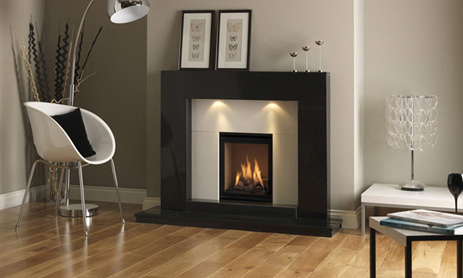
What Fire Brand do you want in your home?

Followers

Recent Updates

Celsi Fires Now in the UK

Celsi fires have now been released in the UK, with great reviews all over, the new technology is virtually a computer pretening to be a fire, with clean looks and great prices they are bound to be a hit.More…


Showing posts with label gas safe register. Show all posts

Thursday, 5 January 2012

Elderly ignore free gas safety checks as winter starts to bite

£134 million worth of potentially life-saving gas safety checks offered free by the energy suppliers go unclaimed every year, as a staggering number of people are killed by the effects of cold every winter, according to research carried out for Gas Safe Register, which found that 88% of elderly homeowners have never claimed a free gas safety check. As the winter weather begins to bite and puts increased pressure on our central heating systems, latest official ONS statistics show that 25,700 died from cold-related illnesses last year. Among these are the nine elderly people, who died every hour from cold-related illnesses.
Gas Safe Register is urging people, particularly the elderly, to make sure they take advantage of free gas safety checks if they are eligible and ensure they have well-maintained and safe gas appliances. When a gas boiler, gas fire or heater fails, the average home can quickly drop to 16°C, the temperature at which hypothermia can set in. While younger people feel cold, it’s far more serious for the elderly, whose temperature falls far faster and to dangerous levels when their home temperature falls below 16°C. That’s why the energy companies offer free checks to the most vulnerable.
The UK has the highest winter death rate in Northern Europe, so Gas Safe Register is warning people to make sure their home gas appliances will see them and their loved ones safely through the winter. ONS data shows that the cold can cause or exacerbate illnesses such as high blood pressure, thrombosis or respiratory infections, as it weakens the immune system.
Paul Johnston, Chief Executive of Gas Safe Register says,

“We’re urging everyone to take whatever support they can to keep safe and warm this winter. Having your gas appliances checked annually is vital to ensure that they are running safely. If you don’t get your appliances checked every year, you are risking gas leaks, fires, explosions or carbon monoxide poisoning. Although all appliances need to be checked every year, it’s very important for elderly people, as appliances in their homes tend to be older and not as reliable.”


Top 5 ways of staying warm safely:

  1. Get your gas appliances safety checked once a year to make sure they work safely and don’t break down in the cold.
  2. If you are having your gas appliances checked, always use a Gas Safe registered engineer – it’s the law and will help keep you safe.
  3. Always use gas appliances responsibly. Never use a gas cooker to heat a room or a house.
  4. Carbon monoxide is a deadly gas produced by badly maintained gas appliances. Look out for danger signs - sooty stains on or around appliances, floppy yellow flames (instead of crisp blue ones) and excessive condensation in a room are all signs that your gas appliances could be producing carbon monoxide.
  5. If you are over the age of 60 you may be entitled to a free gas safety check. Go to www.GasSafeRegister.co.uk/elderly to find out more or ask your energy supplier.

Friday, 30 December 2011

Gas Safety At Winter

With the cold weather setting in many households will be relying on gas boilers and gas fires to keep their family warm this winter. This increased usage can put pressure on gas appliances and could lead to them breaking down when they are needed the most.
It’s vital that everyone has their gas appliances regularly serviced and safety checked every year to prepare them for the cold winter months.

Stay safe and don’t be left out in the cold this winter. Make sure you know what to do if your central heating fails you.
 Download our top gas safety tips and help protect yourself, your family and your home.

Tuesday, 6 December 2011

Advise On Installing A Gas Fires


Acquisitions X-Fire 1200

All Gas Fires must be installed and serviced by a GAS SAFE Registered Engineer. The Engineer will survey your property and ensure that all requirements of the Installation Manual are met to ensure your fire is installed correctly and safely. All GAS SAFE Engineers are regularly audited by GAS SAFE to ensure they are working in line with current regulations.
We recommend that all gas fires are serviced every 12 months. This should be done regardless of how often the fire is used. There are number of issues which can effect a fire functioning correctly and safety - blockages in the gas pipes, gas leaks, chimney blockages etc.
It is easy to blame the gas fire when it fails to function however a very large amount of claims are not related to the gas fire. When a gas fire does not operate, the problem can be nothing to do with a fault within the gas fire. Below are some very common causes which will stop a gas fire functioning. Before making any claims please check these site related issues are not causing the problems. This will eliminate costly call out charges.
Drugasar Eclipse Suite
  1. Gas Pressure - a common cause of a gas fire shutting down while it is operating is that the gas pressure is not correct. This problem can be more noticeable when switching on other gas appliances within the property like boilers etc. A drop in pressure will mean that the safety device on fire will shut the fire down to protect you. Contact Transco or your gas supplier regarding upgrading your gas pipe work.
  2. Chimney Draw Is Too Strong - the draw on the chimney is causing the pilot flame to lift away from the thermocouple making the safety device to shut the fire down - Contact a flue specialist
  3. Chimney Draw Is Too Weak - the draw is not strong enough, this could be because the chimney has become blocked, causing the fire to spill hazardous fumes into the room. This is very dangerous. The safety device senses the amount of oxygen in the air and will shut the fire down. - Contact a flue specialist.
  4. No Power - A remote control fire needs a power source. If it is powered by a mains supply has the fuse blown or the power switched off? - Contact an electrician. If it is battery powered - check and change the batteries.
  5. Incorrect Installation - All gas fires are supplied with an installation manual. This shows how to fit the fire in line with the manufacturer's instructions and the CE approval to ensure it is safe. Ensure you have a copy of the Installation Manual before starting to install a fire. The warranty will be invalid if the fire has been wrongly installed. When a fire is installed by a GAS SAFE Registered Engineer he will issue you a certificate showing the work that has been done and confirming that it is safe.
  6. Flueless Fires - Flueless Fires have an excellent safety record. If a Flueless Fire shuts down after running for a number of minutes check all ventilation requirements have been met before operating the fire again. A vast majority of fires have a ODS unit fitted which will shut the fire down if the oxygen levels in the room reach a dangerous level.
REMEMBER - ALWAYS USE A REGISTERED GAS SAFE ENGINEER FOR ALL GAS FIRE INSTALLATION AND SERVICING WORK ASK TO SEE THE ENGINEERS REGISTRATION CARD AND IF IN DOUBT PHONE GAS SAFE.

Find a fantastic selection of Fires, Fireplaces, Stoves and much more from the likes of Fireplace Megastore, Fireworld, Fireplace Supermarket with House2Home Megastore also boasting a growing range of fires.

Wednesday, 10 August 2011

Gas Safe or CORGI?

It seems that many people are still not quite sure as to whether they needs a CORGI registered engineer to install their gas products in their home. So just to clarify the matter for those who are unsure as from the 1st of April 2009 Gas Safe Register Replaced CORGI, so you should not let anyone who claims to be CORGI registered work on your gas items in your home, and you shouldn't let anyone other then a Gas Safe Registered engineer carry out gas related work or surveying.
If you wish to find out whether a business or individual is Gas Safe registered and what work they are qualified to do then you can visit www.gassaferegister.co.uk or you can call 0800 405 55 00.
Gas Safe Register installers or engineers will also carry with them their gas safe register engineer photo ID card. The Card has a picture of the engineer on the front with a unique license number, that you can quote over the phone or input on the website to ensure the engineer is the person they claim to be.
The front of the card will also have a start and expiry date and a security hologram. Please be aware that the back of the card also contains important information as it shows the type of work the engineer is qualified to do, these include gas fire, cooker, boiler installation etc. This is also a way to check that the engineers qualifications are up to date too.
Unsafe gas work may cause carbon monoxide poisoning, gas leaks, fires and explosions, so it is of the utmost importance that a registered Gas Safe installer is involved with any gas work carried out in you home.
Gas Safe Register has also provided 5 top tips to help keep you and your family safe and these are as follows:
  1. Always use a Gas Safe registered engineer for any gas work in your home – and check their ID card.
  2. Make sure your gas appliances are safety checked and serviced in accordance with the manufacturer’s guidelines, or at least once a year.
  3. If you live in rented accommodation, your landlord must arrange for a Gas Safe registered engineer to carry out a safety check every year on all gas appliances. You should be given a copy of the safety certificate before you move in or within 28 days of the safety check. If you don’t have this certificate, ask your landlord.
  4. Install an audible carbon monoxide alarm, which will alert you if dangerous levels are present in your home.
  5. If you smell gas or think there might be a gas leak: turn off the gas at the meter, extinguish naked flames, open windows and leave the area. Seek medical advice if you feel unwell. Call the Gas Emergency Freephone number 0800 111 999.

Sunday, 29 May 2011

False Corgi registration rumbled


An unregistered gas fitter misled customers into believing he was a legally-registered gas engineer and then carried out work that put lives at risk.

Clive Farrant, 57, from Chelmsford, used a false Corgi registration number in adverts and paperwork when trading as Essex Plumbing Connection. He also committed offences as a director of Secret Heat Ltd. Both companies were registered to his home address.

The Health & Safety Executive (HSE) found Farrant had carried out gas work at several properties and left them all in a dangerous condition.

He worked at a number of homes in and around Chelmsford, Essex, between July 2006 and June 2009. During the same period, he also instructed another unregistered engineer to carry out work at properties in Tadley, Hampshire and Chelmsford.

It is a legal requirement for any gas engineering business or self-employed gas engineer carrying out domestic or commercial gas work to be registered under the Gas Safety (Installation & Use) Regulations 1998.

Farrant admitted 10 out of 11 charges relating to the Health and Safety at Work Act 1974 and Gas Safety Regulations 1998 when he appeared at Chelmsford Crown Court. He was fined £23,000 with £5,000 costs.

After the sentencing, HSE inspector Samantha Thomson said: "There is no excuse for illegally carrying out work on gas appliances – and to falsify documentation in order to defraud customers is not only a terrible thing to do but also a very serious offence.

"It is illegal for any unregistered person to carry out such work. When unqualified workers try to bypass the law in this way they are not only putting themselves at risk of prosecution, a large fine and a lengthy time in prison – they are also putting their customers' lives at risk."

Wednesday, 25 May 2011

Checking your gas man's credentials

The cost of fixing botched work done by illegal gas fitters is costing customers up to £100m a year, according to the Gas Safe Register.

It said 250,000 illegal jobs were carried out annually and one in five of those inspected are found to be immediately dangerous.

The register replaced the Corgi registration scheme in April 2009.

It is urging customers to check that recommended engineers have the right qualifications.

50% carbon monoxide

Jan Collins from Cheshire tried to save money when she hired a fitter to install a gas fire in the dining room of her converted barn.

He worked for a registered gas engineering company, but he was doing the job for them on the side, more cheaply.

However, he was not qualified to put in a liquid petroleum gas (LPG) fire and installed it incorrectly.

''I started getting very bad headaches and very bad nosebleeds and was really quite lethargic," Mrs Collins said.

"The chimney sweep was the first to alarm me when he did a test showing that 50% of the carbon monoxide was coming back into the room.

"The only thing that saved me was the size of the room. If it had been a standard room with an eight-foot ceiling and a door then I absolutely would not be alive today.''

A gas inspector confirmed the fire had five major defects, all of which were potentially fatal.

Mrs Collins's fitter was eventually prosecuted.

Check in advance

It is a legal requirement for gas engineering businesses and individual fitters to be on the register.

About 120,000 engineers are on it and a sample of their work is assessed to make sure they are safe.

The register also has a record of which appliances each fitter is qualified to work on.

''What we want people to do is take a little bit of care and check they are using a registered person," said Paul Johnstone, chief executive of the Gas Safe Register.

"Ask for ID at the door and even before they arrive it is very simple to check they have the right qualifications by going onto our website or phoning us.

Getting a quote

There are warnings that even registered gas fitters may not always offer the best level of service.

Which? says it has been contacted by people who have used gas engineers but who have had continuing problems for years before they have been identified and corrected.

''Being on the Gas Safe register is no guarantee in terms of cost effectiveness, although it may be good in terms of competency," said Matt Bath, a Which? spokesman.

"To make sure you are getting the best possible deal and are not locked into an unnecessary contract the best thing to do is to get three good quotes from qualified fitters.

"Each quote should show a clear breakdown of what the engineer will deliver as part of the service,'' Mr Bath added.

'Putting it right'

Jan Collins still regrets not making the right checks on the engineer she hired to do her gas work.

She wasted thousands of pounds, but could also have lost her life.

Paul Johnstone of Gas Safe register said that 18 people died last year after gas appliances were installed or repaired badly, adding: "That's 18 deaths too many'.

"The cost of fixing botched jobs has also soared," he added.

"Customers may spend thousands of fitting appliances and when they've been fitted incorrectly, it costs on average an extra 25% on top of the initial cost to put it right,'' he added.

Friday, 22 April 2011

You Won't Know Carbon Monoxide Is There.

Keeping you and your family safe should be a major concern when having any gas appliance fitted, replaced or repaired. That's why we want to make sure you know about Carbon Monoxide (CO) and the steps you can take to keep everyone safe from harm.

Four Sigs That Could Show CO is Present:
  • Staining, sooting and discolouration on or around your gas boiler, fire or water heater.
  • Excessive Condensation or seeing/smelling smoke in the room the appliance is installed in.
  • Colour of pilot lights and other gas flames - these should burn mostly blue but if they are yellow or orange, Carbon Monoxide may be present (Note: This doesn't apply to fuel-effect, living-flame or decorative flame gas fires which are meant to have an orange or yellow flame.
  • A pilot light that frequently goes out could be another indicator that CO is being produced.
REMEBER: It's important to keep vents in doors, walls and windows clear and to check regularly that your chimney (if you have one) isn't blocked by birds nests or other debris.

What You Should Do If You Think Carbon Monoxide Is Present.
  • Stop Using The Appliance Immediately
  • Open All Doors and windows and leave the room
  • Call the Gas Emergency Services on 0800 111 999
How Do You Recognise The Effects Of Carbon Monoxide?
The symptoms of Carbon Monoxide poisoning can be similar to flu and can include headaches, dizziness, confusion and extreme tiredness. If anyone in your home, friends, family or visitors show any symptoms please see a doctor immediately. It may not be CO poisoning, but it can't hurt to check.

How Do You Stay Safe From Carbon Monoxide
One sure way is for your gas appliance to receive an annual service by a Gas Safe Registered Engineer.
Always Make Sure Your Appliances Are Professionally Installed.
If you are having appliances such as a fire or stove installed please make sure the work is carried out by a qualified engineer. Always ask for a Gas Safe engineer to install and service your appliances.

Ask Your Landlord
If you rent your home, it is your landlord's job to make sure any gas appliances and pipework are safe. Check with them today to make sure a Gas Safe Engineer repairs and faulty appliances, performs safety checks annually (my landlord is carrying one out on my house right now) and issues you with a certificate to verify the work has been carried out.

Wednesday, 9 February 2011

Plumber Jailed For Illegal Gas Work


The Health & Safety Executive has successfully prosecuted four plumbers in recent weeks that have been carrying out illegal gas work.
Andrew John Carslake was jailed at Chelmsford Court after he admitted breaching health and safety laws. He recieved six-month prison sentences for two separate offences relating to gas safety offences.
Andrew Carslake was originally given a Health and Safety Executive probation notice in 2008 after a complaint about gas work that he had undertaken, he was then exposed as not being GasSafe registered. By Law, All gas engineers must be on the GasSafe Register.
However, he ignored the prohibition order and continued to carry out further illegal gas work, until he was caught on camera by the BBC's Rogue Traders programme in July 2009. One HSE inspector said " It is illegal for an unregistered person to carry out work on any gas appliances. When unregistered tradesmen try and to bypass the law in this manner, they are not only putting themselves at risk of prosectution and a large fine, they are also endangering the lives of their customers."
"Working with gas appliances is difficult, specialised and potentiall very, very dangerous. The Health & Safety Executive will not hesitate to prosecute those who break the law."
"There is no doubt that Watchdog's Rogue Traders has struck a blow for gas safety with their undercover report. They played a big part in helping us get this case to court and securing justice."
"We applaud their efforts to expose illegal gas work and help the public understand the importance of getting qualified and registered professionals to do their gas work."

In another separate case, a pair of plumbers from Hertfordshire have also been sentenced for illegally working on domestic gas appliances.
Paul Fromet from Cheshunt and Michael Wright of Waltham Cross fitted a boiler in a house in Chevington, Suffolk. After an investigation was carried out by the HSE, Bury St Edmunds Magistrates Court heard that neither plumber was on the Gas Safe Register.
They had installed the boiler, but it had not been adjusted to run on the LPG gas supply in the house. As a result the boiler was producing more than 200 times the recommended level of Carbon Monoxide.
Both men admitted breaching Gas Safety (Installation & Use) Regulations 1998. They recieved a two-year conditional discharge and were ordered to pay court costs of £250 each.

Finally, Enfield-based Tony MacTaggart, who also trades as TJM Heating & Plumbing was found to have lied to homeowners about being on the Gas Safe register.
He had installed a boiler in a house in Cheshunt, but after the owners complained to Gas Safe, inspectors discovered that the boiler was in a very dangerous condition.
MacTaggart had been claiming to be Gas Safe Registered, carried out out and then tricked Registered Engineers into signing off his work by asking them to carry out annual gas safety inspections.
Tony MacTaggart was fined £2,500, ordered to pay full costs of £902 and a victim surcharge of £15.

Thursday, 6 January 2011

Dangers Of Carbon Monxide Poisoning


Now for a lightly more scary topic, Carbon Monoxide Poisoning. One of the main causes of carbon monoxide poisoning is poorly maintained or installed gas appliances.

You can’t see it, taste it or smell it but it can kill quickly and with no warning. Unsafe gas appliances produce a highly poisonous gas called carbon monoxide (CO). It can cause death as well as serious long term health problems such as brain damage.


There are 6 main symptoms to look out for:
  1. headaches
  2. dizziness
  3. nausea
  4. breathlessness
  5. collapse
  6. loss of consciousness

Being aware of the symptoms could save your life.

Carbon monoxide symptoms are similar to flu, food poisoning, viral infections and simply tiredness. That’s why it’s quite common for people to mistake this very dangerous poisoning for something else.

Other signs that could point to carbon monoxide poisoning:
  • Your symptoms only occur when you are at home
  • Your symptoms disappear or get better when you leave home and come back when you return
  • Others in your household are experiencing symptoms (including your pets) and they appear at a similar time

What should I do if I experience any symptoms of carbon monoxide poisoning?

  • Get fresh air immediately. Open doors and windows, turn off gas appliances and leave the house
  • See your doctor immediately or go to hospital - let them know that you suspect carbon monoxide poisoning. They can do a blood or breath test to check
  • If you think there is immediate danger, call the Gas Emergency Helpline
  • Get a Gas Safe registered engineer to inspect your gas appliances and flues to see if there is a dangerous problem
Don’t assume your gas appliances are safe: get a Gas Safe registered gas engineer to do a check. This is the only safe way to prevent yourself and those around you from incurring serious illness or death due to carbon monoxide exposure.

What is carbon monoxide?

Carbon monoxide (CO) is a highly poisonous substance produced by the incomplete burning of gas and Liquid Petroleum Gas (LPG).

This happens when a gas appliance has been incorrectly fitted, badly repaired or poorly maintained. It can also occur if flues, chimneys or vents are blocked.

Oil and solid fuels such as coal, wood, petrol and oil can also produce carbon monoxide.

What is carbon monoxide poisoning?

Carbon monoxide poisoning occurs when you breathe in even small amounts of the gas.
When you breathe in carbon monoxide, it gets into your blood stream and prevents your red blood cells from carrying oxygen. Without oxygen, your body tissue and cells die.
Levels that do not kill can cause serious harm to health when breathed in over a long period of time. Long term effects of carbon monoxide poisoning include Paralysis and brain damage. Such long term effects occur because many people are unaware of unsafe gas appliances and subsequent gas leaks.

How do I avoid a carbon monoxide leak in my home?

Your home may show signs of carbon monoxide. Any one of the following could be a sign that there is carbon monoxide in your home. Get your gas appliances checked to avoid carbon monoxide poisoning.
  • The flame on your cooker should be crisp and blue. Lazy yellow or orange flames mean you need to get your cooker checked
  • Soot or yellow/brown staining around or on appliances
  • Pilot lights that frequently blow out
  • Increased condensation inside windows
If you have a faulty appliance in your home, it could lead to carbon monoxide poisoning. Get it checked as soon as possible by a Gas Safe registered engineer.


Friday, 30 July 2010

How Do I Remove My Old Gas Fire?

During the summer months most people aren't thinking about their fireplace but when the summer moves into autumn then the season for buying a new fire or fireplace begins, the next question after you've decided on what you want to replace the old fire is How Do I Remove My Old Fire?
Most people would think, Do It yourself, How hard can it be? Just pull the fire out of the surround and disconnect and cap the gas pipe.
This approach is highly illegal and could jeopardise the safety and lives of you and the other people in and around the house or cause problems when trying to sell the property.


The only safe way to remove your old gas fire is to have a gas engineer that is on the Gas Safe Register.
The Gas Safe Register is the official body for gas safety in the home and workplace for the United Kingdom, Isle of Man and Guernsey. Gas Safe Register replaced CORGI as the gas registration body in Great Britain and Isle of Man on 1 April 2009 and Northern Ireland and Guernsey on 1 April 2010
They are the only official list of gas engineers legally able to perform gas work on boilers, hobs, ovens, fires and all other gas appliances.
Anyone carrying out gas work must have a Gas Safe Register ID card. If not, they are breaking the law and putting you and your family at risk.

Gas safety is one of the most important factors in having a safe home and work place. The dangers that surround unsafe gas appliances are deadly serious. Poorly maintained, faulty or badly installed gas work leads to carbon monoxide poisoning, the effects of which can be fatal.
It’s not always easy to spot an illegal gas fitter for a fully qualified Gas Safe registered engineer. Always ask to see your gas engineer’s Gas Safe Register ID card to make sure they are safe and legal.

The Gas Safe register is here to make sure you don’t fall into the trap of paying for illegal gas work with your health, and possibly your life.

How Do I Find A Gas Safe Registered Engineer?

Finding an engineer that is registered on the Gas Safe Register couldn't be easier, simply by visiting the Gas Safe Register website and typing in your postcode, this will display the nearest registered fitters and businesses to you and their contact details. Or find a business by using the telephone finding service on 0800 408 5500.